By Stacy
November 10, 2026
Scheduling your very first septic pumping service can feel intimidating if you are unfamiliar with wastewater management. Many homeowners treat their plumbing as an out-of-sight, out-of-mind utility until slow drains or unpleasant odors force an emergency call. Knowing what happens during an appointment, how tanks process waste, and how to prepare your property removes the mystery from the visit. Routine maintenance protects your lawn, guards household health, and prevents premature drain field failure. Taking a proactive approach ensures your wastewater equipment operates reliably year after year.
A residential septic system functions as an independent, on-site wastewater treatment plant. Every drop of water leaving sinks, tubs, and toilets flows into an underground containment vessel where primary settling occurs. Heavy solids sink to create sludge, lighter fats and oils float to form scum, and clarified liquid travels out into the soil absorption field. Because bacteria cannot break down every solid element, hiring a professional septic pumping service remains the single most critical step in preserving your underground infrastructure.
Recognizing the Need for Professional Pumping
Evaluating System Age and Household Size
Determining how often you require a septic pumping service depends primarily on your total tank capacity and household water consumption. Smaller households generate less wastewater, while large families quickly fill the available storage volume. According to This Old House, a septic tank typically lasts 15 to 40 years, depending on its material, maintenance, and soil conditions. Routine clearance of accumulated solids prevents heavy sludge from escaping into the surrounding drain field pipes, protecting that expected operating lifespan.
Most residential building codes recommend that tanks undergo a full cleanout every three to five years. Properties equipped with garbage disposals or compact containment units often require service every two to three years. Tracking water usage and appliance efficiency helps you set an accurate pumping calendar. Setting reminders based on household size guarantees that settling layers never encroach on the outlet baffles.
Identifying Warning Signs of Tank Failure
Waiting for catastrophic sewage backups creates costly landscape remediation projects and hazardous living conditions. A sluggish flush across multiple toilets often signals that the liquid level inside the tank has risen above the inlet baffle. Gurgling sounds within drainpipes usually indicate that trapped air cannot escape through standard rooftop vent stacks. When these early plumbing symptoms appear, booking an immediate septic pumping service keeps waste from reversing into low-lying shower pans or basement floor drains.
Exterior warning signs are equally telling and demand quick intervention. Foul sewer gas odors drifting across your yard point toward venting issues or an overfilled chamber. Spongy, waterlogged soil near the drainage area reveals that wastewater is struggling to filter through saturated earth. Unusually vibrant, lush patches of green grass above the burial site further confirm that unpurified effluent is leaking near the surface.
Dispelling Persistent Maintenance Myths
Many homeowners rely on over-the-counter chemical additives, yeast packets, or enzyme tablets in hopes of dissolving subterranean sludge. No biological treatment eliminates the need for an authentic septic pumping service, as non-biodegradable solids and heavy minerals remain completely inert. In fact, caustic chemicals often destroy beneficial digestive bacteria, causing suspended particles to wash into the leach field and clog soil pores.
Another dangerous misconception assumes that an operational plumbing network requires zero maintenance until a toilet overflows. Septic deterioration happens silently over several seasons beneath the lawn. Flushes may drain smoothly even while dense sludge stacks up to the exit pipe. Relying solely on visible symptoms means you risk discovering an issue only after structural pipe clogs or environmental soil damage has already occurred.
Protecting Surrounding Soil and Water Supplies
Neglecting scheduled tank extractions produces serious ecological consequences for neighborhood ecosystems. Overfilled tanks discharge raw sewage and concentrated nitrates into nearby groundwater reserves. Contaminated runoff harms beneficial soil microorganisms and degrades local freshwater streams, lakes, and drinking wells. Prompt tank maintenance stops toxic pathogens from migrating beyond your property boundaries.
A well-maintained septic system plays a vital role in local water recycling. Soil strata filter out biological contaminants as cleansed moisture recharges the aquifer. By managing sludge depth proactively, you ensure that only clean, clarified effluent enters the surrounding ecosystem. Caring for your underground utility actively preserves community health and protects surrounding wildlife habitats.
Preparing Your Property for Pumping Day
Locating the Burial Site and Lids
Finding your underground tank is the first mandatory step before booking an appointment. Property deeds, county health department building permits, and home inspection diagrams typically outline the exact distance from your foundation. If historical paperwork is missing, technicians can trace lines using an electronic flushable transmitter or an insulated soil probe. Pinpointing the access covers ahead of time prevents broad excavation work across your lawn.
Once you locate the tank lids, installing permanent surface risers eliminates the need to dig up sod during future maintenance appointments. Heavy plastic or concrete risers sit flush with ground level, allowing service teams instant access. Clearly marking these entry points with decorative rocks or landscape fixtures ensures quick identification during seasonal visits.
Clearing Physical Access for Heavy Trucks
Vacuum extraction vehicles carry heavy equipment and require unobstructed access to your yard. Move passenger cars, trailers, and outdoor furniture away from the driveway and service corridors before the driver arrives. Trim overgrown hedges and low-hanging tree branches that could snag extended commercial hoses. Ensuring a direct line of sight speeds up the process and protects your landscaping.
Securing household pets inside the home protects animals and technicians alike. Commercial vacuum machinery produces loud engine noise that easily startles domestic animals. Heavy-duty hoses can also crush delicate flower beds if paths are not planned in advance. Guiding the operator along designated pathways minimizes turf compaction and keeps structural pathways intact.
Navigating the Service Appointment
Greeting the Technician and Initial Setup
A licensed technician begins the appointment by parking their service truck within hose range, usually within one hundred feet of the access hatch. They review past service documentation, examine system layouts, and evaluate the slope of your landscape. Open communication allows you to highlight historical plumbing slow-downs, past backups, or known physical property constraints.
The technician will pry open the access risers and inspect the interior chambers before starting the vacuum pump. They observe baseline liquid levels to determine whether the tank is running at its normal operating capacity. High liquid levels suggest a failing drain field, whereas low levels point toward structural cracks in the holding vessel itself. This diagnostic visual check establishes system baseline performance.
Executing the Vacuum Extraction Process
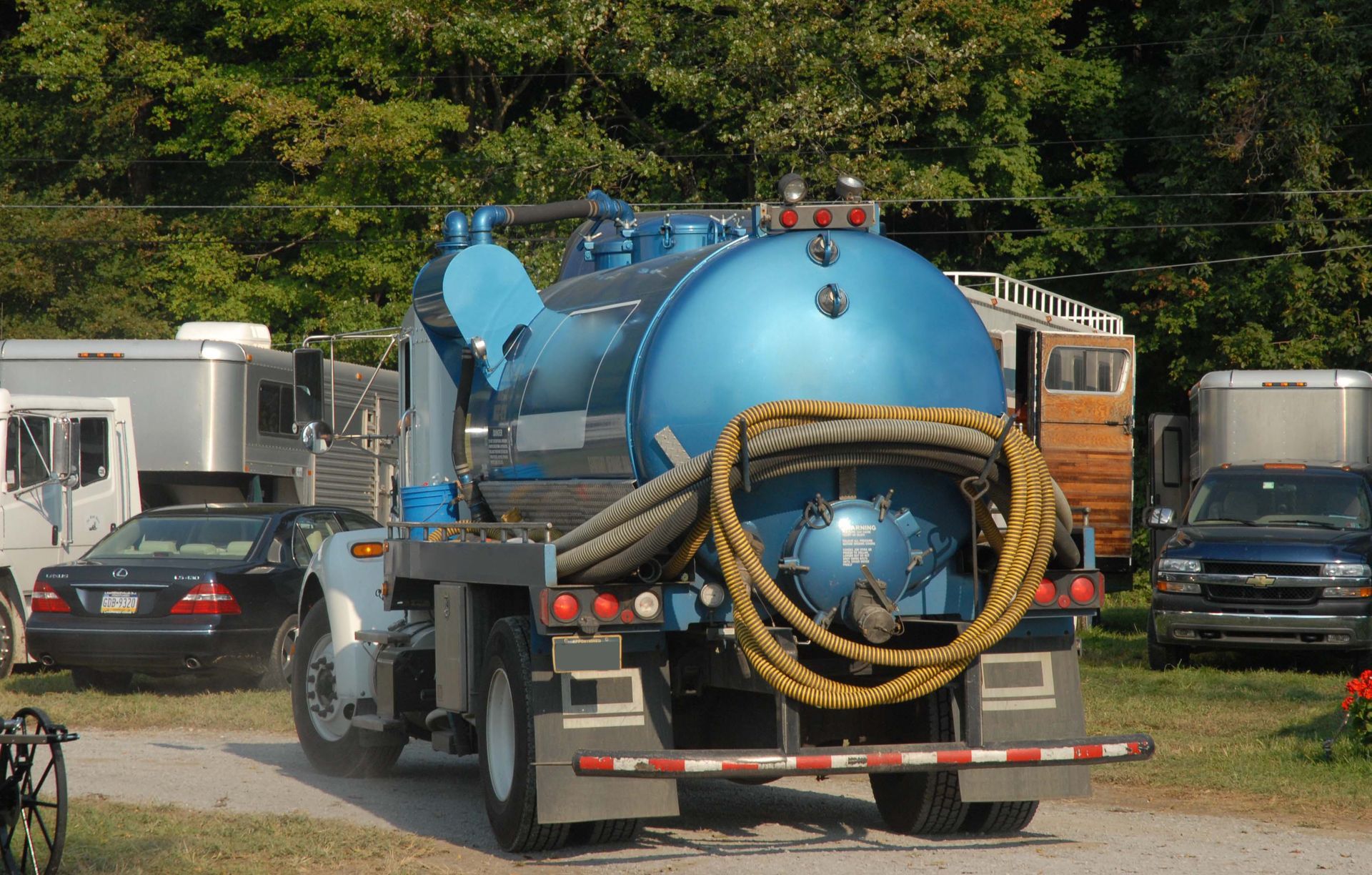
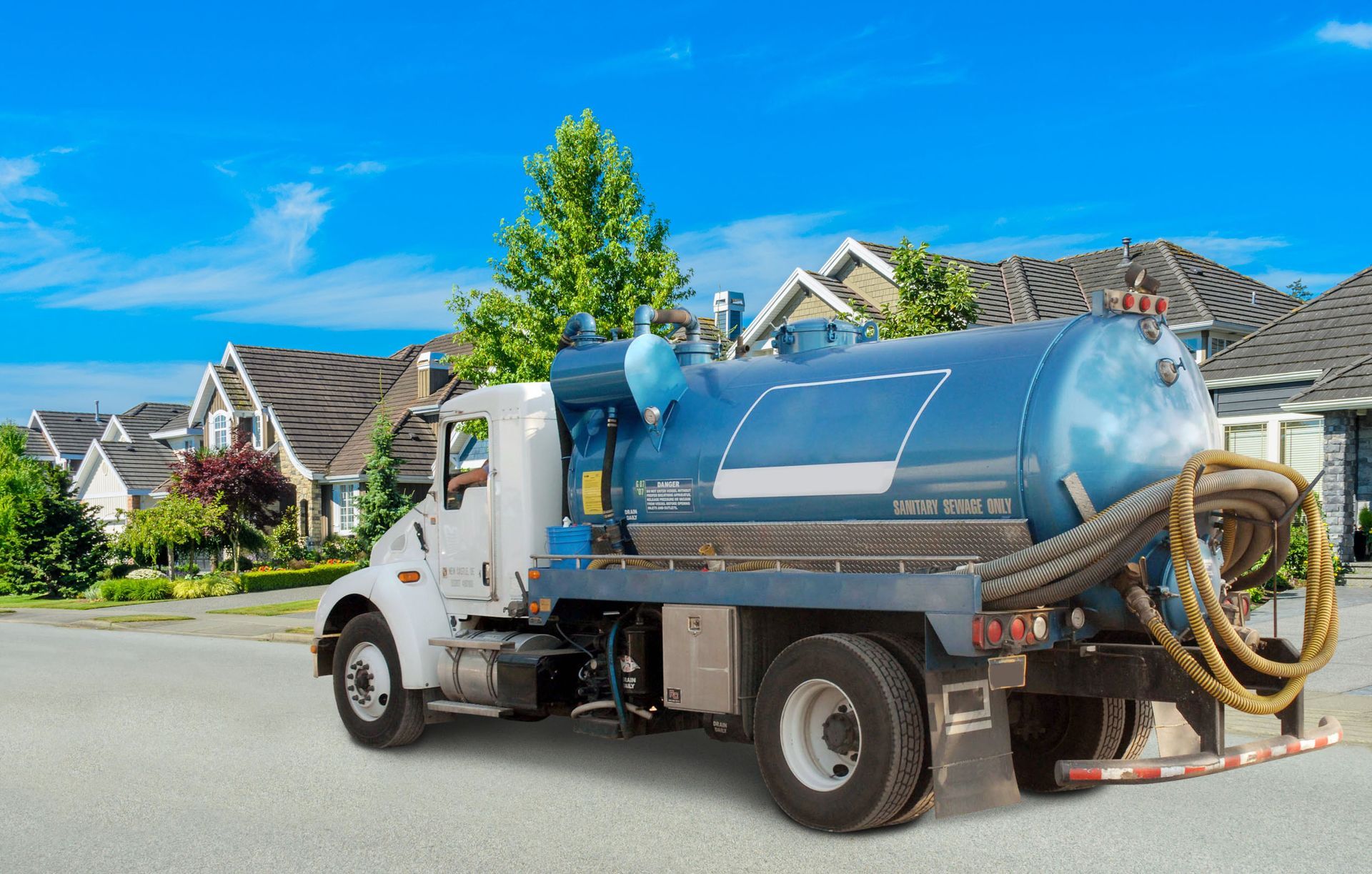
The technician lowers a large-diameter suction hose into the access port to initiate the septic pumping service. High-volume pumps pull floating scum, clarified water, and bottom sludge into the truck’s sealed tank. A mechanical mixing tool or water wand is used to break up dense solids, blending them into a smooth slurry that can be completely extracted.
A comprehensive cleanout removes accumulated material from both the primary and secondary tank compartments. The technician rinses interior walls and inspects the structural integrity of inlet and outlet tees. Thorough pumping leaves the vessel clean and ready to process incoming household wastewater safely once again.
Set a calendar reminder for your next septic pumping service as soon as the current appointment concludes. Consistent preventative maintenance stops unexpected plumbing failures, eliminates foul odors, and protects your property value. Managing your waste system with care ensures reliable performance for decades to come. Call Saving Grace Septic & Rentals today for more.