By Stacy
September 30, 2026
Buying a home with a septic system can feel unfamiliar, especially if you've never been responsible for maintaining one before. Unlike a municipal sewer connection, a septic system requires regular attention to keep wastewater moving properly and prevent problems that can affect your plumbing, yard, and property. Your first septic pumping service is an important opportunity to learn how the system works and establish a maintenance routine.
Knowing what happens before, during, and after the appointment can make the process much easier. From locating the tank and removing accumulated waste to checking key components, a professional service provides more than a simple tank cleanout. It can also give new homeowners useful information about their system's condition and future maintenance needs.
Preparing Your Property for Septic Pumping
Locating the Septic Tank
Before a technician can begin pumping, the septic tank must be located and its access points identified. If you recently purchased the home, you may not know exactly where the tank is located, particularly if the property records do not clearly identify its position. Previous homeowners may also have landscaped over access areas, leaving the tank difficult to find.
A professional can help locate buried components when their positions are unclear. Once the tank has been identified, the technician can determine how to access it safely and efficiently. Locating the tank before an emergency occurs can also make future maintenance appointments more straightforward.
Understanding Tank Capacity
Your septic tank's size is an important part of understanding how your system should be maintained. According to This Old House, homes with two to three bedrooms generally need a septic tank with at least 1,000 gallons of capacity. The appropriate maintenance schedule can depend partly on that capacity, along with the number of people living in the home and how much wastewater the household produces.
As a new homeowner, ask the technician whether the tank appears appropriately sized for your household and whether its capacity is known. Keeping this information with your other home maintenance records can help you make better decisions about future pumping appointments. It can also be useful if you later sell the property or have additional work performed on the septic system.
Clearing the Service Area
Technicians need adequate access to the tank and enough room to position their equipment. Before a septic pumping service, move vehicles, outdoor furniture, equipment, or other items that could interfere with access. Keeping the area around the tank clear can help the appointment proceed efficiently.
You may also want to identify any gates, landscaping features, or other property details that could affect access. If the tank is buried beneath soil, grass, or other materials, ask whether uncovering services are necessary before the appointment. Addressing access concerns in advance can prevent delays when the technician arrives.
What Happens During the Pumping Appointment
Opening and Inspecting the Tank
Once the technician reaches the septic tank, the first step typically involves accessing the tank and inspecting its interior. The technician may evaluate the condition of accessible components, observe the levels of accumulated material, and look for visible concerns that could affect the system's operation.
This initial inspection is particularly useful for new homeowners because it establishes a baseline for the condition of the septic system. If the technician notices damaged components, unusual buildup, or other concerns, you can discuss them before they become more significant problems. A professional septic pumping service should address the condition of the system rather than simply removing waste.
Removing Waste and Buildup
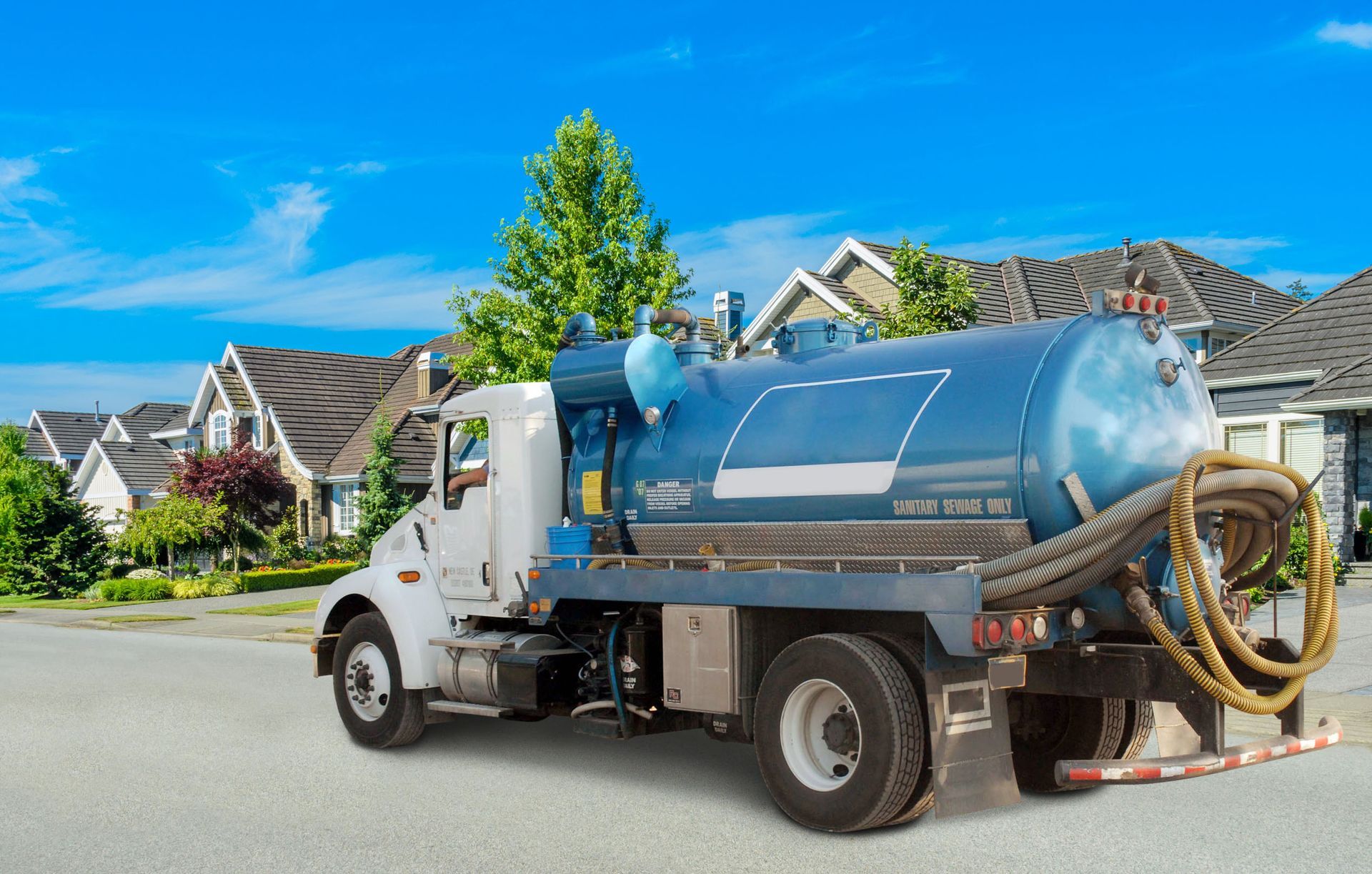
The primary purpose of pumping is to remove the accumulated solids, sludge, and scum from the tank. A service truck uses specialized equipment to extract the contents, helping restore the available capacity inside the tank. Efficient waste removal is important because excessive solid accumulation can interfere with normal wastewater treatment and increase the risk of backups.
The technician may also work through heavier layers of settled material to help ensure that the tank is properly emptied. Once the pumping is complete, the system has more available capacity for incoming wastewater. The process may be messy by nature, but experienced technicians should work carefully and leave the immediate service area orderly when the job is finished.
Checking Important Components
Pumping also provides an opportunity to examine important parts of the septic tank. Depending on the system, a technician may inspect components such as the tank walls, inlet and outlet baffles, access lids, and other visible features. These components help control how wastewater and solids move through the system.
Identifying concerns during a septic pumping service can help homeowners address relatively small issues before they contribute to more extensive damage. For example, damaged baffles or compromised access covers may warrant attention even if wastewater is currently flowing normally. Ask the technician what was observed and whether any maintenance or repairs should be considered.
Establishing a Septic Maintenance Routine
Learning Your Recommended Schedule
Your first pumping appointment should help you understand when the system will likely need attention again. Many septic tanks require pumping every three to five years, but the appropriate interval varies based on household size, water usage, tank capacity, and other conditions. A larger household that produces more wastewater and solid waste may require more frequent service than a smaller household.
Your technician can help establish a practical maintenance schedule based on your property's specific circumstances. Keep a record of the date of your first pumping appointment and any recommendations you receive. Having this information available makes it easier to plan future maintenance instead of waiting until a problem forces you to seek emergency service.
Adjusting Household Water Use
Daily water usage can influence how quickly your septic system fills. Long showers, frequent laundry loads, running multiple appliances at once, and other high-volume activities can increase the amount of wastewater entering the tank. Spreading water-intensive activities throughout the week can help reduce sudden demands on the system.
Household habits also influence the amount of solid material entering the tank. Avoid flushing inappropriate items and follow manufacturer recommendations for appliances connected to the plumbing system. If your home has a garbage disposal, ask a professional whether its use is appropriate for your system and whether it could affect your septic pumping service schedule.
Watching for Warning Signs
New homeowners should know which signs could indicate that a septic system needs attention before the next scheduled appointment. Slow drains, sewage odors, unusually wet areas near the drain field, or wastewater backing up into the home can indicate a developing problem. These symptoms should not simply be ignored or treated as ordinary plumbing inconveniences.
Prompt service can help prevent a minor concern from becoming a more disruptive issue. If you notice warning signs between routine appointments, contact a qualified septic professional to determine whether an inspection or additional pumping is appropriate. Maintaining a regular relationship with a service provider also gives you a reliable resource when unexpected problems arise.
A first septic pumping service is an important part of becoming familiar with a home's wastewater system. The appointment can introduce you to the location and condition of your tank, remove accumulated waste, and provide useful information about future maintenance. For homeowners who have never managed a septic system before, that information can make ongoing care much less confusing.
After your septic pumping service appointment, keep records of the tank's location, approximate capacity, pumping date, and any recommendations provided by the technician. Pay attention to changes in drainage, odors, and the condition of the area around the septic system. With routine maintenance and prompt attention to warning signs, homeowners can better protect their septic system and the surrounding property. Schedule septic pumping with Saving Grace Septic & Rentals today to keep your system operating properly!